
Showroom Hours: 9:00AM - 8:00PM
Service Hours: 7:30AM - 6:00PM
Blog / Gunther Kia Service

Blog

All Gunther Kia Service Fort Lauderdale New Kia Vehicles Fort Lauderdale Kia Dealer Gunther Kia Lifestyle Daytrips Florida Vacation Ideas Car Tips and Tricks Gunther Kia News Fort Lauderdale Used Cars Fort Lauderdale Bakeries Fort Lauderdale Kia Service
Oil Change Fort Lauderdale, FL | Gunther Kia

Should You Buy an Extended Service Plan for Your Kia?

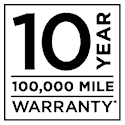
You're sitting at the finance manager's desk, about to sign on the dotted line and drive home with your new dream Kia, when the question of a service plan comes up. Should you buy an extended warranty? Read on to learn when investing in that new car extended plan will pay off big. Protect Against Unexpected Bills Like all Kia dealerships, Gunther Kia offers customers their industry-leading 10-year or 100,000-mile limited powertrain warranty on every new car, plus a 5-year or 60,000-mile limited basic warranty. Think of your extended plan as repair insurance after the manufacturer's program expires. Consumers are driving their Kia's longer than ever before, and because today's cars feature highly sophisticated technology, an extended warranty is appealing. If you're hit with an expensive problem involving a computerized system, you may be glad for the extra coverage. A lengthy service contract offers peace of mind for the long haul when systems fail that are expensive to diagnose, isolate, then repair. more Tailor Warranties to Fit Your Needs Many new Kia buyers aren't aware that you can tailor an extended service agreement to fit your specific needs. Because all automakers put time and mileage limits on coverage, your extended plan may provide a broader variety of products and services. Just remember to review the exclusion list from the warranty provider before purchasing a policy. A powertrain warranty covers those parts that are designed to make your Kia move, including the engine, transmission, and drivetrain. A bumper to bumper plan provides further coverage for almost all your Kia's components. An extended agreement may also cover factory installed accessories such as infotainment systems or engine modifications, but items designed to wear, such as tires, are not protected. An extended service agreement may offer other benefits including towing, lockout services, and trip-interruption plans that can help cover unexpected expenses if your vehicle breaks down away from home. Buying a Plan Is Easy Because you're working directly with our dealership, there is far less paperwork involved, making the sign-up and repair processes that much faster. Our highly trained service technicians specialize in your Kia's hardworking systems, and we're fully authorized to make all covered repairs. According to consumer reports, 86 percent of new car buyers elected to purchase their extended service plan at the same time they bought their car, safeguarding against unexpected financial stress over repairs. The best reason for doing so is the convenience of rolling the relatively low cost of the plan into your new Kia's loan. Some extended warranties are transferable to your Kia's new owners in the event you decide to sell your car while still covered. A warranty is an excellent selling point for any used car, and it may increase your Kia's resale value. A small transfer fee guarantees that your buyer won't have to worry about a breakdown. Ask your Kia representative what expenses are covered by your original warranty, and make sure you understand what your extended agreement covers before you commit.
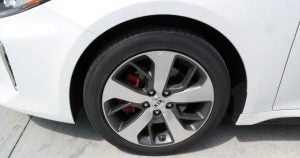
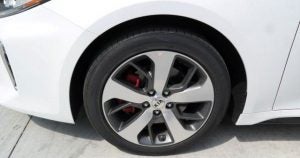
2018 Kia Optima Tire in Fort Lauderdale, FL | Gunther Kia

How Often Does Your Car Need Routine Maintenance?

Like most new Kia owners, you want to take great care of your car. Do you wonder how often it needs servicing? Do you know what systems require regular maintenance? Some of your Kia's vital components need replacing based on mileage, while other parts are replaceable after a specific amount of time. Read on to learn how often your car requires routine maintenance to keep your Kia purring along. Tire Maintenance Check your tire's air pressure once a month. It helps you get better gas mileage, and can save you money in the long run. Make sure you have a tire air pressure gauge. They're an inexpensive tool you can pick up at a convenience store, and it quickly stores in your glove box. Have your Kia's tires rotated and balanced, and your alignment checked every six months or 6,000 to 8,000 miles to make sure your tires are wearing evenly. Tires are expensive to replace, and when they receive regular service, they last much longer. more Engine Oil Changes Most drivers know all about oil — the lifeblood of every automobile's engine. Oil lubricates your engine's pistons and keeps them from overheating. Over time, this heat will break down oil's lubricating properties, making it less effective at protecting your Kia engine's moving parts. So how often should you change your oil? That depends on factors such as the way you drive, and where you live. Here in Florida, where temperatures can reach over 90 degrees Fahrenheit, some mechanics recommend you change your oil every 3,000 miles. However, most people find that an oil change every 5,000 miles is fine. Check Your Fluids Above and beyond your Kia's engine oil, your vehicle requires a variety of fluids to run smoothly, such as antifreeze, power steering fluid, and windshield wiper fluid. With some fluids, you can see directly into the tank, so it's easy to determine when to refill it. Otherwise, most fluids have gauges or dipsticks so you can check current levels. Don't be afraid to get under the hood and see where your fluids are twice a year or at every oil change. If you're running low, add more, and never ignore a leak. Maintenance Reminders Until your Kia reaches 36,000 miles, it should require very little maintenance to keep it heading down the highway. Anticipate a couple of oil changes and a tire rotation. As you start to accrue the miles, more frequent scheduled maintenance is necessary. Your new Kia is outfitted with a maintenance reminder system. This system monitors a number of vehicle operating conditions and alerts the driver when it's time to bring your car in for service. However, if you notice your Kia isn't running its tip-top best, go ahead and bring it in regardless of your scheduled maintenance alerts. When in doubt, read up on your Kia in the factory owner's manual. This handy guide will have all your routine maintenance needs and when to do them. Your Fort Lauderdale dealership, where you purchased your new Kia, has a service department staffed with maintenance experts, so take advantage of dealer-recommended services today.

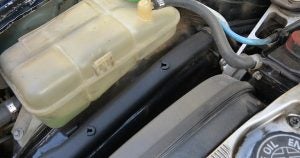
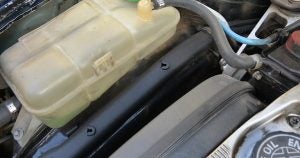
Under the hood of a car | Gunther Kia

The Importance of Changing Your Oil During the Winter

Winterizing your car is akin to protecting your investment. With proper care and maintenance, your vehicle can make it through another winter unscathed. more Check the Engine Oil While you most often think about having enough oil, the question to ask as winter approaches is whether you have the correct type of oil. 5W-30 motor oil has a lower viscosity than 20W-50 motor oil and will flow more freely in cold weather. If you've been using 20W-50 motor oil throughout the rest of the year, it's time to make a change. If the engine oil is too thick, it will make it difficult for the engine to turn over in cold weather. The good news is that 5W-30 oil is recommended for year-round use in most vehicles, so there's no need to alternate between the two once you've made the switch to the lower viscosity variety. Be cautious about choosing anything with a viscosity that's lower than recommended in the owner's manual for your vehicle, though. Oil that runs too thin may not provide sufficient lubrication and protection for your car's engine. Change the Oil Filter The motor oil is not the only factor that weighs heavily on winter performance. Having the correct type of oil filter in the winter is crucial. Lower temperatures mean thicker motor oil, and thicker motor oil means greater pressure on the oil filter, especially at start up. If a filter is not high-quality, it may not be able to sustain the large increases in pressure that occur in the winter and fail at the weakest spot. Filters with too fine of a filtering screen do not allow oil to pass through as easily as it should in cold weather, resulting in limited lubrication. Check the owner's manual that came with your vehicle or speak with a qualified mechanic to determine the best type of filter for your make and model. Consider the Age of Your Battery Most car batteries don't last much longer than two to five years, depending on use and the model. Cold temperatures can affect battery performance. If your battery is nearing the four-year or five-year mark, it might be wise to replace it now. Always inspect the battery cables, hold-down brackets, and trays. Signs of erosion could spell a dead battery in the near future. Inspect the Timing Belt A broken timing belt presents a greater challenge in the winter, when being stranded does not just mean a minor inconvenience, but a potentially life-threatening situation in some parts of the United States. Cold weather can cause timing belts to stretch and wear sooner than expected due to the expansion and contraction caused by extreme temperatures. Inspect the timing belt on your vehicle and replace it if it's nearing the manufacturer recommended interval or showing signs of wear. These are just a few of the components you can check when getting your vehicle in top shape for winter. With careful maintenance and the help of an experienced mechanic, you'll be able to keep your vehicle running in sun and snow for years to come.

Drivers panel | Gunther Kia

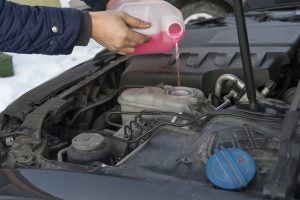
What Is a Coolant Flush?

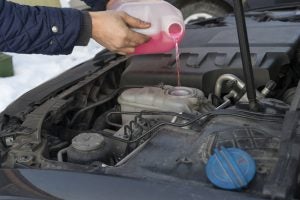
With all the scheduled maintenance that goes in to keeping your car in top shape, it's easy to overlook some of the simpler and less costly maintenance routines you should consider to keep your car on the road for as long as possible. If you've never had a coolant flush done and want to know why it's important, read on. more Cooling System Basics Your car's cooling system is what keeps your car engine from running too hot and overheating. If you've ever seen a car on the side of the road, hood up with smoke billowing, a neglected cooling system could have been to blame. Low coolant levels or a clogged cooling system can lead to the check engine light turning on and unnecessary worry and repair. Staying on top of routine cooling system maintenance can save you from more costly engine repairs in the future. Certain types of damage from an overheated engine are irreversible, so keeping your car's engine adequately cooled with proper care is a must. How It Works The cooling system works by circulating a mixture of coolant and water through the engine. After enough miles, though, and even after sitting dormant in a garage, the coolant mixture absorbs scale and rust from engine parts and can eventually clog or circulate less freely. A coolant system flush consists of emptying and cleaning the entire system so it is free of contaminants and replacing the mixture with fresh coolant and water. Essentially, a coolant flush consists of draining, cleaning, rinsing and refilling the coolant chamber. First your mechanic will add a flush chemical to the existing fluid to begin the descaling process. Next, he or she will drain and safely dispose of the old fluid after it is run through the entire system at operating temperature. The system is then flushed with a coolant cleaner, and rinsed thoroughly with water. Your mechanic will add fresh fluid back and check for leaks. You'll be set to get your car back on the road in less than an hour in most cases. How Often Is a Coolant Flush Needed? How often your vehicle will require a coolant flush depends on the recommended maintenance schedule for your vehicle, but a general rule of thumb is every three years, regardless of mileage, or 30,000 to 50,000 miles. A coolant flush performed by a trustworthy mechanic will typically run you between $100 to $150. Some factors that can affect the final price are the amount and type of coolant needed, the age of the vehicle, and whether a flush has been performed routinely or if there is minor damage and build-up from lack of care. For those who are brave enough and have some mechanical experience, a flush can be done in your home garage. Taking care of your car with routine maintenance like a coolant flush doesn't have to be inconvenient or costly. A visit to your local dealer will have you in and out the door quickly and with the peace of mind that comes with knowing you avoided more costly repairs down the road.

Contact Us

Fill out this form below and we'll contact you shortly
*Required Fields