

Today: 9:00AM - 8:00PM
Blog / New Kia Vehicles

Blog

All New Kia Vehicles Fort Lauderdale Fort Lauderdale Kia Dealer Gunther Kia Lifestyle Daytrips Florida Vacation Ideas Car Tips and Tricks Gunther Kia News Gunther Kia Service Fort Lauderdale Used Cars Fort Lauderdale Bakeries Fort Lauderdale Kia Service
Trim Levels Available for the 2017 Kia Rio Sedan

Trim Levels Available for the 2017 Kia Rio Sedan

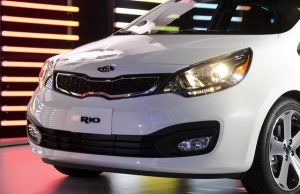
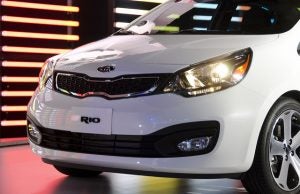
The Kia Rio Sedan is a simple subcompact sedan with a sleek design and surprisingly roomy backseat for a small sedan. It comes with peace of mind too — Kia is so confident in the durability of its cars that it offers an industry-leading extended powertrain warranty of 10 years or 100,000 miles, whichever comes first. For 2017, Kia has dropped the SX model from the sedan lineup, leaving you with two trim levels to choose from. Rio LX Both trims come with a 1.6-liter four-cylinder engine that produces 138 horsepower and 123 pound-feet of torque. It may not be the most powerful engine out there, but it does have remarkably quick acceleration compared to others in its class. The LX comes with a six-speed manual transmission, although you have the option of an automatic transmission. The entry-level LX features 15-inch steel wheels, halogen headlights, variable intermittent wipers, heated power mirrors, and locking fuel-filler door. Solar control glass on the windshield and front passenger windows help keep the interior cooler in summer, and heated rear glass with a timer defrost ice and melt snow in winter. Expect simplicity in the interior — materials are understated, and gauges and controls are uncomplicated. The interior features air conditioning, a height-adjustable driver seat, tilt-only steering wheel, steering-wheel-mounted audio buttons, glove box illumination, and 60/40 split-folding rear seats. Onboard technology includes a trip computer, satellite radio, USB and auxiliary audio inputs, and a four-speaker sound system. Standard safety features on both models include four-wheel anti-lock disc brakes, electronic brake-force distribution, vehicle stability control, hill-start assist, and tire pressure monitoring system. Want to take things up a notch? An available Power Package adds keyless entry and power windows and door locks, automatic transmission, and Bluetooth connectivity. Rio EX There are only four color choices on the LX, but you get eight on the EX. You also get automatic transmission, 15-inch alloy wheels, front fog lights, chrome grille surround, premium cloth upholstery, a leather-wrapped steering wheel and shift knob, tilt-and-telescoping steering wheel, cruise control, map lights, dual illuminated vanity mirrors, a soft-touch dash, padded armrests on the front doors, a sliding center console armrest with storage, Bluetooth, and a six-speaker audio system. Choosing the optional Eco Package means you lose a few of the above features in favor of the fuel-saving automatic engine stop-start system, automatic headlights, a rearview camera, and Kia's UVO 7-inch digital touch-screen infotainment system. Fuel economy is average on the Rio Sedan, and the Eco Package gets you a little extra mileage — 27 mpg in the city and 36 mpg on the highway. Prefer a snazzier interior? The EX's Designer Package features attractive seating with two-tone black cloth teamed with gray leather inserts and gray accent stitching. The Rio is a conservative sedan, but it offers enough basic features, a good quality interior, and excellent value at an unbeatable price. It's built to last, too, so you can keep driving your Rio long after you've paid the final installment. Photo by Kia
Trim Levels Available for the 2017 Kia Rio Sedan

Trim Levels Available for the 2017 Kia Rio Sedan

The Kia Rio Sedan is a simple subcompact sedan with a sleek design and surprisingly roomy backseat for a small sedan. It comes with peace of mind too — Kia is so confident in the durability of its cars that it offers an industry-leading extended powertrain warranty of 10 years or 100,000 miles, whichever comes first. For 2017, Kia has dropped the SX model from the sedan lineup, leaving you with two trim levels to choose from. Rio LX Both trims come with a 1.6-liter four-cylinder engine that produces 138 horsepower and 123 pound-feet of torque. It may not be the most powerful engine out there, but it does have remarkably quick acceleration compared to others in its class. The LX comes with a six-speed manual transmission, although you have the option of an automatic transmission. The entry-level LX features 15-inch steel wheels, halogen headlights, variable intermittent wipers, heated power mirrors, and locking fuel-filler door. Solar control glass on the windshield and front passenger windows help keep the interior cooler in summer, and heated rear glass with a timer defrost ice and melt snow in winter. Expect simplicity in the interior — materials are understated, and gauges and controls are uncomplicated. The interior features air conditioning, a height-adjustable driver seat, tilt-only steering wheel, steering-wheel-mounted audio buttons, glove box illumination, and 60/40 split-folding rear seats. Onboard technology includes a trip computer, satellite radio, USB and auxiliary audio inputs, and a four-speaker sound system. Standard safety features on both models include four-wheel anti-lock disc brakes, electronic brake-force distribution, vehicle stability control, hill-start assist, and tire pressure monitoring system. Want to take things up a notch? An available Power Package adds keyless entry and power windows and door locks, automatic transmission, and Bluetooth connectivity. Rio EX There are only four color choices on the LX, but you get eight on the EX. You also get automatic transmission, 15-inch alloy wheels, front fog lights, chrome grille surround, premium cloth upholstery, a leather-wrapped steering wheel and shift knob, tilt-and-telescoping steering wheel, cruise control, map lights, dual illuminated vanity mirrors, a soft-touch dash, padded armrests on the front doors, a sliding center console armrest with storage, Bluetooth, and a six-speaker audio system. Choosing the optional Eco Package means you lose a few of the above features in favor of the fuel-saving automatic engine stop-start system, automatic headlights, a rearview camera, and Kia's UVO 7-inch digital touch-screen infotainment system. Fuel economy is average on the Rio Sedan, and the Eco Package gets you a little extra mileage — 27 mpg in the city and 36 mpg on the highway. Prefer a snazzier interior? The EX's Designer Package features attractive seating with two-tone black cloth teamed with gray leather inserts and gray accent stitching. The Rio is a conservative sedan, but it offers enough basic features, a good quality interior, and excellent value at an unbeatable price. It's built to last, too, so you can keep driving your Rio long after you've paid the final installment. Photo by Kia

2017 Red Kia Rio Hatchback | Gunther Kia

Trim Levels Available for the 2017 Kia Rio Hatchback

The fourth-generation Kia Rio five-door hatchback is a fun-to-drive sassy little subcompact car. The new 2017 model has grown up – it's swapped its cutesy look for slicker, sportier styling. It's slightly longer, wider, and lower with sculpted aerodynamic body lines and a redesigned front with Kia's distinctive tiger-nose grille. The Kia Rio is available in three trims: LX, EX, and SX. Rio LX All three models feature the same mechanical specs: front-wheel drive with a 1.6-liter four-cylinder engine and a four-wheel anti-lock disc braking system. Also standard across all three models is Kia's Sportmatic six-speed automatic transmission, which gives drivers the option of easily switching to manual if desired. The interior of the 2017 Rio has undergone significant changes. It's done away with the cheap-looking plastic dashboard. In its place is a more modern-looking panel that's angled toward the driver and features a floating touch-screen display in the center. In terms of safety, the Rio hatchback received a four-star rating for overall crash protection in government tests. All three models come standard with electronic stability control, vehicle stability management, and hill-start assist. The LX trim features black mesh radiator grille, 15-inch steel wheels, tilt steering column, woven cloth upholstery, and four-way speaker audio system. Rio EX Moving up to the EX, you'll find the black mesh grille is now surrounded with chrome. Additional external features include projector beam fog lights and 15-inch alloy wheels. The interior features a tilt-and-telescopic steering column, premium cloth trim, center console with sliding arm rest, and a six-speaker audio system with A-Pillar-Mounted tweeters. The EX ups the convenience with steering-wheel-mounted cruise control buttons, power windows with convenient driver's one-touch auto-up/down, and power door locks with keyless remote. Extra refinements in the EX include a hand-stitched leather-wrapped steering wheel with matching gearshift knob, LED map lights, illuminated visor vanity mirrors, and soft-touch dash. The cargo under-floor tray with net is a handy feature – hidden beneath the floor, it helps you store items neatly and out of sight. Fuel efficiency is similar on all three trims at 30 mpg combined, but the EX model features Kia's eco-friendly Idle Stop and Go (ISG) system, bringing the fuel efficiency rating up to 31 mpg. Rio SX Giving the SX a design edge is 17-inch alloy wheels, LED positioning lights that shimmer below the headlights, and LED rear combination lamps. Steering-wheel-mounted paddle shifters, aluminum pedals, and a supervision meter cluster add to the sportiness. If you're looking for more responsive handling, the SX model with sport-tuned suspension is the one to go for. Extra features on the SX trim include a rear-view camera, outside power-folding mirrors with turn-signal indicators, power sunroof, projector beam headlights, and auto light control. Seating is more upscale, with leather upholstery and heated front seats, and technology upgrades include a 7-inch touch screen with voice-command navigation, satellite and HD radio, and UVO infotainment system. As an entry-level car and with a starting price of $15,495 for the LX and up to $20,905 for the SX, the Kia Rio is a nicely designed vehicle at an affordable price.   Photo by Kia

2017 Red Kia Rio Hatchback | Gunther Kia

Trim Levels Available for the 2017 Kia Rio Hatchback

The fourth-generation Kia Rio five-door hatchback is a fun-to-drive sassy little subcompact car. The new 2017 model has grown up – it's swapped its cutesy look for slicker, sportier styling. It's slightly longer, wider, and lower with sculpted aerodynamic body lines and a redesigned front with Kia's distinctive tiger-nose grille. The Kia Rio is available in three trims: LX, EX, and SX. Rio LX All three models feature the same mechanical specs: front-wheel drive with a 1.6-liter four-cylinder engine and a four-wheel anti-lock disc braking system. Also standard across all three models is Kia's Sportmatic six-speed automatic transmission, which gives drivers the option of easily switching to manual if desired. The interior of the 2017 Rio has undergone significant changes. It's done away with the cheap-looking plastic dashboard. In its place is a more modern-looking panel that's angled toward the driver and features a floating touch-screen display in the center. In terms of safety, the Rio hatchback received a four-star rating for overall crash protection in government tests. All three models come standard with electronic stability control, vehicle stability management, and hill-start assist. The LX trim features black mesh radiator grille, 15-inch steel wheels, tilt steering column, woven cloth upholstery, and four-way speaker audio system. Rio EX Moving up to the EX, you'll find the black mesh grille is now surrounded with chrome. Additional external features include projector beam fog lights and 15-inch alloy wheels. The interior features a tilt-and-telescopic steering column, premium cloth trim, center console with sliding arm rest, and a six-speaker audio system with A-Pillar-Mounted tweeters. The EX ups the convenience with steering-wheel-mounted cruise control buttons, power windows with convenient driver's one-touch auto-up/down, and power door locks with keyless remote. Extra refinements in the EX include a hand-stitched leather-wrapped steering wheel with matching gearshift knob, LED map lights, illuminated visor vanity mirrors, and soft-touch dash. The cargo under-floor tray with net is a handy feature – hidden beneath the floor, it helps you store items neatly and out of sight. Fuel efficiency is similar on all three trims at 30 mpg combined, but the EX model features Kia's eco-friendly Idle Stop and Go (ISG) system, bringing the fuel efficiency rating up to 31 mpg. Rio SX Giving the SX a design edge is 17-inch alloy wheels, LED positioning lights that shimmer below the headlights, and LED rear combination lamps. Steering-wheel-mounted paddle shifters, aluminum pedals, and a supervision meter cluster add to the sportiness. If you're looking for more responsive handling, the SX model with sport-tuned suspension is the one to go for. Extra features on the SX trim include a rear-view camera, outside power-folding mirrors with turn-signal indicators, power sunroof, projector beam headlights, and auto light control. Seating is more upscale, with leather upholstery and heated front seats, and technology upgrades include a 7-inch touch screen with voice-command navigation, satellite and HD radio, and UVO infotainment system. As an entry-level car and with a starting price of $15,495 for the LX and up to $20,905 for the SX, the Kia Rio is a nicely designed vehicle at an affordable price.   Photo by Kia

2017 Silver Kia Rio Soul EV | Gunther Kia

Tax Benefits of Owning a Kia Soul EV

In an effort to encourage motorists to buy eco-friendly electric vehicles and plug-in hybrids, the United States government implemented tax credits and rebates for owners of green cars. It helps offset the initial purchase, as buying electric vehicles usually costs more than gasoline cars, plus requires the installation of home charging units. If you're the new proud owner of a Kia Soul EV, congratulations – you've just bought one of the best electric vehicles on the market. In addition, you now qualify for some awesome benefits that come with owning an electric car. Federal Tax Credit In 2010, federal tax credits came into effect for electric and plug-in hybrid vehicles that were purchased in or after 2010. The credit amount varies from $2,500 to $7,500 based on the car's battery size. The Kia Soul EV qualifies for the maximum credit of $7,500. This could be in the form of a tax refund at the end of the year or, alternatively, deducted off the purchase price at the time of buying the car. So with a starting price of $33,950 for the 2016 standard model, you'll end up paying $26,450 once you deduct the $7,500. Important to bear in mind, though, is that depending on what your tax bill is at the end of the year, you may not receive the full $7,500. If your tax bill is less than $7,500, you will only be paid that amount. For instance, if you owe Uncle Sam $5,000, that's all Uncle Sam will refund you. You will not receive the extra $2,500, nor will it be carried over to the following tax year. State Incentives In addition to the federal program, there are also dozens of state and regional incentives on electric and plug-in vehicles. Incentive programs vary, so you will have to find out what applies to your state. Credits can come in the form of exemption from inspections, reduced registration fees, lower vehicle tax, or nonmonetary incentives such as access to the carpool (HOV) lane and free parking. In California, for example, people who buy or lease certain electric cars can get a cash rebate up front in addition to the annual federal tax credit. Manufacturer Rebates Kia offers several manufacturer-to-customer rebates and incentive programs. When buying your vehicle, be sure to inquire about these. You could benefit from cash rebates directly at the point of sale, low-interest financing, and special leases. Cash rebates can either be given directly to the customer or be used as part of the vehicle's down payment. Either way, it helps lower the net price of the vehicle. If you find it all a little confusing, consult an accountant who can help you claim the correct tax credit you qualify for and assist in filing the Qualified Electric Vehicle Credit form. Note that the federal tax incentive program will eventually be phased out as sales of EVs and PHEVs reach the specified cap – which is around 200,000 vehicles sold per manufacturer. So if you haven't taken the leap to electric yet, visit your Kia dealer now and take advantage of these benefits while they're still in place.   Photo by Kia

2017 Silver Kia Rio Soul EV | Gunther Kia

Tax Benefits of Owning a Kia Soul EV

In an effort to encourage motorists to buy eco-friendly electric vehicles and plug-in hybrids, the United States government implemented tax credits and rebates for owners of green cars. It helps offset the initial purchase, as buying electric vehicles usually costs more than gasoline cars, plus requires the installation of home charging units. If you're the new proud owner of a Kia Soul EV, congratulations – you've just bought one of the best electric vehicles on the market. In addition, you now qualify for some awesome benefits that come with owning an electric car. Federal Tax Credit In 2010, federal tax credits came into effect for electric and plug-in hybrid vehicles that were purchased in or after 2010. The credit amount varies from $2,500 to $7,500 based on the car's battery size. The Kia Soul EV qualifies for the maximum credit of $7,500. This could be in the form of a tax refund at the end of the year or, alternatively, deducted off the purchase price at the time of buying the car. So with a starting price of $33,950 for the 2016 standard model, you'll end up paying $26,450 once you deduct the $7,500. Important to bear in mind, though, is that depending on what your tax bill is at the end of the year, you may not receive the full $7,500. If your tax bill is less than $7,500, you will only be paid that amount. For instance, if you owe Uncle Sam $5,000, that's all Uncle Sam will refund you. You will not receive the extra $2,500, nor will it be carried over to the following tax year. State Incentives In addition to the federal program, there are also dozens of state and regional incentives on electric and plug-in vehicles. Incentive programs vary, so you will have to find out what applies to your state. Credits can come in the form of exemption from inspections, reduced registration fees, lower vehicle tax, or nonmonetary incentives such as access to the carpool (HOV) lane and free parking. In California, for example, people who buy or lease certain electric cars can get a cash rebate up front in addition to the annual federal tax credit. Manufacturer Rebates Kia offers several manufacturer-to-customer rebates and incentive programs. When buying your vehicle, be sure to inquire about these. You could benefit from cash rebates directly at the point of sale, low-interest financing, and special leases. Cash rebates can either be given directly to the customer or be used as part of the vehicle's down payment. Either way, it helps lower the net price of the vehicle. If you find it all a little confusing, consult an accountant who can help you claim the correct tax credit you qualify for and assist in filing the Qualified Electric Vehicle Credit form. Note that the federal tax incentive program will eventually be phased out as sales of EVs and PHEVs reach the specified cap – which is around 200,000 vehicles sold per manufacturer. So if you haven't taken the leap to electric yet, visit your Kia dealer now and take advantage of these benefits while they're still in place.   Photo by Kia

Lime green hybrid parking logo on cement | Gunther Kia

4 Reasons You Should Be Driving a Hybrid

We've all heard about hybrid cars and how they're going to save the environment. But now, after hybrids have evolved over the automotive generations, there are far more incentives to choose a hybrid over a gas-powered car. Here are four reasons you should be driving a hybrid. Equal To or Better Than Gas The first concern most people have when they consider switching to a hybrid vehicle is that they may lose the power and performance that gas-powered engines deliver. This is far from true, however. Hybrid vehicles perform just as well as the leading gas-powered family vehicles. What's more, hybrid vehicles are just as safe, if not safer, than gas-powered vehicles. Not only are hybrid vehicles designed with the highest safety ratings in mind, but they carry around far less flammable fuel than a gas-powered vehicle. So don't worry about compromising on performance or safety when you switch to a hybrid. The Sound of Silence Do you ever get frustrated about how loud you have to turn your stereo or your Bluetooth phone call to hear it over your engine? This won't be a problem if you drive a hybrid. Choose a hybrid vehicle, and you will no longer have to battle the noise of your engine as you accelerate or simply drive along at freeway speeds. Hybrid motors are almost silent and won't drown out your favorite music or that important (hands-free) phone call. A Fatter Wallet Perhaps the most compelling reason to buy a hybrid vehicle is the countless dollars you will save on gas. Sure, gas prices have been relatively low in 2016, but history has shown that low gas prices are never around for very long. If you commute to work or take the kids to school and various activities, you know the pain of watching your fuel tank gage slowly drop. Switch to a hybrid vehicle, and you'll get to stretch every penny to get the most out of your hard-earned dollars. Lower Secondary Costs Not only do hybrid vehicles save you money at the pump, but there are other financial benefits, too. First, if you purchase a hybrid vehicle that was manufactured in or after 2010, you could get a major tax break on your federal tax returns. In fact, the federal government is offering people up to $7,500 (the final benefit amount depends on the capacity of your hybrid's battery). Check with your state government to see if you can double dip for even more savings. Second, most hybrid vehicles are less expensive to insure. Depending on your automotive insurance provider, you could save between $1,500 and $2,400 for insuring a hybrid vehicle instead of a gas-powered vehicle. So if saving money appeals to you, hybrids deliver in more ways than one. Hybrid vehicles are relatively new to the world of car-buying options. It seems like every year there's a new and improved hybrid model out on the market. While hybrid vehicles continue to gain in popularity, efficiency, and affordability, there's never a better time to switch to a hybrid than now. Start cashing in on all of these compelling reasons to drive a hybrid today.

Lime green hybrid parking logo on cement | Gunther Kia

4 Reasons You Should Be Driving a Hybrid

We've all heard about hybrid cars and how they're going to save the environment. But now, after hybrids have evolved over the automotive generations, there are far more incentives to choose a hybrid over a gas-powered car. Here are four reasons you should be driving a hybrid. Equal To or Better Than Gas The first concern most people have when they consider switching to a hybrid vehicle is that they may lose the power and performance that gas-powered engines deliver. This is far from true, however. Hybrid vehicles perform just as well as the leading gas-powered family vehicles. What's more, hybrid vehicles are just as safe, if not safer, than gas-powered vehicles. Not only are hybrid vehicles designed with the highest safety ratings in mind, but they carry around far less flammable fuel than a gas-powered vehicle. So don't worry about compromising on performance or safety when you switch to a hybrid. The Sound of Silence Do you ever get frustrated about how loud you have to turn your stereo or your Bluetooth phone call to hear it over your engine? This won't be a problem if you drive a hybrid. Choose a hybrid vehicle, and you will no longer have to battle the noise of your engine as you accelerate or simply drive along at freeway speeds. Hybrid motors are almost silent and won't drown out your favorite music or that important (hands-free) phone call. A Fatter Wallet Perhaps the most compelling reason to buy a hybrid vehicle is the countless dollars you will save on gas. Sure, gas prices have been relatively low in 2016, but history has shown that low gas prices are never around for very long. If you commute to work or take the kids to school and various activities, you know the pain of watching your fuel tank gage slowly drop. Switch to a hybrid vehicle, and you'll get to stretch every penny to get the most out of your hard-earned dollars. Lower Secondary Costs Not only do hybrid vehicles save you money at the pump, but there are other financial benefits, too. First, if you purchase a hybrid vehicle that was manufactured in or after 2010, you could get a major tax break on your federal tax returns. In fact, the federal government is offering people up to $7,500 (the final benefit amount depends on the capacity of your hybrid's battery). Check with your state government to see if you can double dip for even more savings. Second, most hybrid vehicles are less expensive to insure. Depending on your automotive insurance provider, you could save between $1,500 and $2,400 for insuring a hybrid vehicle instead of a gas-powered vehicle. So if saving money appeals to you, hybrids deliver in more ways than one. Hybrid vehicles are relatively new to the world of car-buying options. It seems like every year there's a new and improved hybrid model out on the market. While hybrid vehicles continue to gain in popularity, efficiency, and affordability, there's never a better time to switch to a hybrid than now. Start cashing in on all of these compelling reasons to drive a hybrid today.

Black 2016 Kia Sportage | Gunther Kia

2016 Kia Sportage vs. 2016 Hyundai Tucson

Often cars are compared side by side with numbers and statistics. In this article, you will see the basic version of what these numbers mean when you put them all together. The Kia Sportage and the Hyundai Tucson come from the same parent company. They are well-rated vehicles. While they offer similar packaging, the subtle differences add up to an increase or decrease in your contentment level when exploring the roads in your new wheels. Read on to get a layman's breakdown of the vehicles and decide which choice buys you the best vehicle. MSRP and Commonalities The Kia Sportage's starting MSRP is $22,150, which is $550 less than the Hyundai Tucson. The two sport utility vehicles have divided rear seats that fold down to maximize storage space. They come in all-wheel or two-wheel drive, boast impressive safety ratings, and offer convenient upgrades like navigation systems with top-of–the-line audio and speakers. Sleek, aerodynamic designs make up their exteriors. Cylinders and Engine Size Gasoline burns in the cylinders to give a car the gusto to keep moving. Because the cylinders house the power, more is better, but fuel efficiency usually suffers as the number of barrels increases. Both vehicles contain four-cylinder engines. The Tucson beats the Kia by three miles per gallon in fuel optimization, but that concerns the displacement, or volume, of the motor. Engine size is much like cylinders — higher numbers mean more power but reduced miles per gallon. The Kia carries a 2.4-liter engine compared to the 2.0-liter engine in the Hyundai. That's one-fifth bigger. The Turbocharged Engine A turbocharger boosts the power of an engine much like a metabolic enhancer jolts your metabolism. Often a four-cylinder feels like a six-cylinder with the turbocharger, but the upside is it uses less gas when driven efficiently. Both higher-end models contain a turbo engine, but the Kia once again carries an engine substantially larger than its counterpart. Torque and Horsepower When you push back into the seat while accelerating from a stop, that is torque. Big rigs require torque to initiate movement. Horsepower defines how much continuous work a car can perform. Generally, larger engines produce more torque while smaller engines provide horsepower. A racing car needs good torque to catapult off the starting line and requires horsepower to sustain its speed over the course of the race. The Kia's turbo engine submerges the competition with 260 horsepower compared to the competition's 175 horsepower. Its 269 pound-feet of torque boost it past the Tucson's 195 pound-feet of torque. While the 2016 Kia Sportage and the 2016 Hyundai Tucson can each stand on their own four wheels, the Hyundai lacks something essential – power. Because the most important part of selecting a car is surveying what's under the hood, a vote for the Hyundai would act contrary to common sense. The Kia moves quicker and stays at its optimal speed longer than its rival. Since the purpose of a car is to maximize commuting time, select the one that does just that.   Photo by Kia

Black 2016 Kia Sportage | Gunther Kia

2016 Kia Sportage vs. 2016 Hyundai Tucson

Often cars are compared side by side with numbers and statistics. In this article, you will see the basic version of what these numbers mean when you put them all together. The Kia Sportage and the Hyundai Tucson come from the same parent company. They are well-rated vehicles. While they offer similar packaging, the subtle differences add up to an increase or decrease in your contentment level when exploring the roads in your new wheels. Read on to get a layman's breakdown of the vehicles and decide which choice buys you the best vehicle. MSRP and Commonalities The Kia Sportage's starting MSRP is $22,150, which is $550 less than the Hyundai Tucson. The two sport utility vehicles have divided rear seats that fold down to maximize storage space. They come in all-wheel or two-wheel drive, boast impressive safety ratings, and offer convenient upgrades like navigation systems with top-of–the-line audio and speakers. Sleek, aerodynamic designs make up their exteriors. Cylinders and Engine Size Gasoline burns in the cylinders to give a car the gusto to keep moving. Because the cylinders house the power, more is better, but fuel efficiency usually suffers as the number of barrels increases. Both vehicles contain four-cylinder engines. The Tucson beats the Kia by three miles per gallon in fuel optimization, but that concerns the displacement, or volume, of the motor. Engine size is much like cylinders — higher numbers mean more power but reduced miles per gallon. The Kia carries a 2.4-liter engine compared to the 2.0-liter engine in the Hyundai. That's one-fifth bigger. The Turbocharged Engine A turbocharger boosts the power of an engine much like a metabolic enhancer jolts your metabolism. Often a four-cylinder feels like a six-cylinder with the turbocharger, but the upside is it uses less gas when driven efficiently. Both higher-end models contain a turbo engine, but the Kia once again carries an engine substantially larger than its counterpart. Torque and Horsepower When you push back into the seat while accelerating from a stop, that is torque. Big rigs require torque to initiate movement. Horsepower defines how much continuous work a car can perform. Generally, larger engines produce more torque while smaller engines provide horsepower. A racing car needs good torque to catapult off the starting line and requires horsepower to sustain its speed over the course of the race. The Kia's turbo engine submerges the competition with 260 horsepower compared to the competition's 175 horsepower. Its 269 pound-feet of torque boost it past the Tucson's 195 pound-feet of torque. While the 2016 Kia Sportage and the 2016 Hyundai Tucson can each stand on their own four wheels, the Hyundai lacks something essential – power. Because the most important part of selecting a car is surveying what's under the hood, a vote for the Hyundai would act contrary to common sense. The Kia moves quicker and stays at its optimal speed longer than its rival. Since the purpose of a car is to maximize commuting time, select the one that does just that.   Photo by Kia

2017 Kia Sorento in motion | Gunther Kia

5 Things to Love About the 2017 Kia Sorento

Get ready for the car of the year before it rolls off the assembly block. The 2017 Kia Sorento offers an improved ride, more cargo and seating room, and more luxury options than ever before with a lower price than other crossover SUVs in its class. Pick a 2.4L four-cylinder engine or a 3.3L V6 engine when you make this car the newest member of your family. Roomy Interior Built to fit a maximum of 7 passengers, this vehicle gives you options. The second and third-row seats fold flat to allow for extra cargo space, and because of the divided seats, you can tuck one seat at a time if you need to haul lumber or separate siblings for a long road trip. In addition, Remote Release allows you to lay the second row down while inserting cargo through the trunk area. Rolling second-row seats offer the choice of extra leg room or cargo space. Intelligence Kia took hands-free to a new level with the Smart Power Liftgate. The rear door opens without hand or feet involvement when it recognizes your smart key. You can also adjust the height of the gate, and the car will remember it. Say goodbye to bumping your head.  Smart Welcome Lighting system turns on the door lights and releases your mirrors from their storage position when you near the vehicle. Safety Features Advanced Smart Cruise Control system assesses the distance between you and the car in front of you. Lane Departure Warning System notifies you if you leave your lane. Back-Up Warning System detects objects near the rear of your car. Rear Cross Traffic Alert notifies you if something crosses your path, and Blind-Spot Detection prepares you to change lanes safely. Select the Surround View Monitor for a 360-degree display of your vehicle to enable the safest exit from every situation. Options From consumers who want an inexpensive crossover SUV to those who want to live in the lap of luxury, the 2017 Kia Sorento has it all. Bluetooth capabilities for telephone and audio, stain-resistant upholstery, USB jacks, and LED headlights come standard. The LX offers substantial upgrades like Uvo eServices, heated driver and passenger seats, and a touchscreen interface. One more step up to the EX provides the keyless ignition and entry, leather seats, the hands-free liftgate, and much more. The top-of-the-line SX has heated second-row seats and lane departure warning and mitigation. Convenience Organize yourself with the storage compartment located under the floor screen in the cargo area. Plan your week with hands-free calendar scheduling, and keep your life managed with ample storage between the front seats. Upgrade to include Dual-Zone Climate Control in the first row and an independent AC control for row 3. Find relief on hot days with the option of ventilated front seats. Choose the 10-speaker Infinity Audio System to get the best listening experience. For those who take long trips, consider the available leg extender cushion that gives you a relaxing and comfortable driving experience. With so much to offer, the 2017 Kia Sorento is going places.   Photo by Kia

2017 Kia Sorento in motion | Gunther Kia

5 Things to Love About the 2017 Kia Sorento

Get ready for the car of the year before it rolls off the assembly block. The 2017 Kia Sorento offers an improved ride, more cargo and seating room, and more luxury options than ever before with a lower price than other crossover SUVs in its class. Pick a 2.4L four-cylinder engine or a 3.3L V6 engine when you make this car the newest member of your family. Roomy Interior Built to fit a maximum of 7 passengers, this vehicle gives you options. The second and third-row seats fold flat to allow for extra cargo space, and because of the divided seats, you can tuck one seat at a time if you need to haul lumber or separate siblings for a long road trip. In addition, Remote Release allows you to lay the second row down while inserting cargo through the trunk area. Rolling second-row seats offer the choice of extra leg room or cargo space. Intelligence Kia took hands-free to a new level with the Smart Power Liftgate. The rear door opens without hand or feet involvement when it recognizes your smart key. You can also adjust the height of the gate, and the car will remember it. Say goodbye to bumping your head.  Smart Welcome Lighting system turns on the door lights and releases your mirrors from their storage position when you near the vehicle. Safety Features Advanced Smart Cruise Control system assesses the distance between you and the car in front of you. Lane Departure Warning System notifies you if you leave your lane. Back-Up Warning System detects objects near the rear of your car. Rear Cross Traffic Alert notifies you if something crosses your path, and Blind-Spot Detection prepares you to change lanes safely. Select the Surround View Monitor for a 360-degree display of your vehicle to enable the safest exit from every situation. Options From consumers who want an inexpensive crossover SUV to those who want to live in the lap of luxury, the 2017 Kia Sorento has it all. Bluetooth capabilities for telephone and audio, stain-resistant upholstery, USB jacks, and LED headlights come standard. The LX offers substantial upgrades like Uvo eServices, heated driver and passenger seats, and a touchscreen interface. One more step up to the EX provides the keyless ignition and entry, leather seats, the hands-free liftgate, and much more. The top-of-the-line SX has heated second-row seats and lane departure warning and mitigation. Convenience Organize yourself with the storage compartment located under the floor screen in the cargo area. Plan your week with hands-free calendar scheduling, and keep your life managed with ample storage between the front seats. Upgrade to include Dual-Zone Climate Control in the first row and an independent AC control for row 3. Find relief on hot days with the option of ventilated front seats. Choose the 10-speaker Infinity Audio System to get the best listening experience. For those who take long trips, consider the available leg extender cushion that gives you a relaxing and comfortable driving experience. With so much to offer, the 2017 Kia Sorento is going places.   Photo by Kia

Contact Us

Fill out this form below and we'll contact you shortly
*Required Fields